Suhas Suresha

Suhas Suresha

Machine Learning Engineer & Researcher

I like building ML systems that have real-world impact. Currently, I'm a Senior Machine Learning Engineer at Adobe, working on the Search, Discovery, and Content AI platform, the system behind search and recommendations across Adobe Express, Firefly, and Creative Cloud. Most recently, I worked on building the search subagent for the Adobe Express AI Assistant, which helps millions of users find and create content through natural language.

Before Adobe, I co-founded QALY, a heart health app that analyzes ECGs from smartwatches, and grew it to over 100,000 users. Before that, I was a Senior Data Scientist at SLB, building ML for the energy industry, which led to four granted U.S. patents. I studied Computational and Applied Mathematics at Stanford (M.S., ICME) and did my undergrad at IIT Madras.


Publications

FUSE
IEEE ICDM 2025, Workshop on Multimodal Search and Recommendations
In agentic creative workflows, retrieval failures can occur at multiple stages, from intent understanding to candidate ranking, and naively prompting LLMs with raw images is prohibitively expensive. FUSE introduces a compact Grounded Design Representation (GDR) that replaces most raw-image prompting with a structured JSON encoding of canvas elements, styles, and spatial context, and systematically evaluates seven context budgeting strategies to optimize multimodal retrieval quality under real-world cost constraints.
RouteNator
NAACL 2025, KnowledgeNLP Workshop
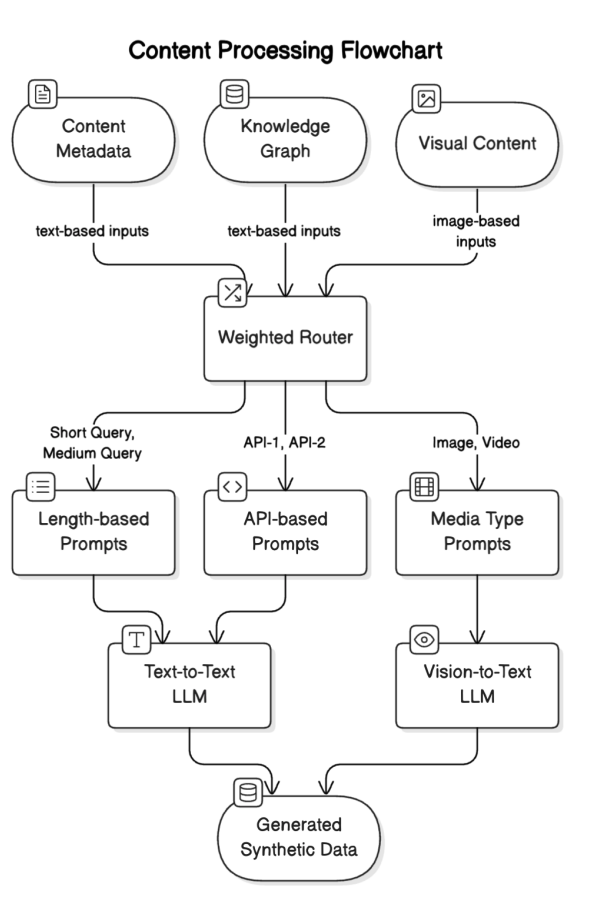
Fine-tuning LLMs for function calling in creative tools is bottlenecked by the absence of real user interaction data and strict privacy constraints. RouteNator introduces a router-based architecture that combines domain resources like content metadata and knowledge graphs with text-to-text and vision-to-text LMs to generate synthetic training data whose diversity and complexity match observed real-world query distributions, addressing a key limitation of existing synthetic data pipelines.
Hybrid Search
AAAI 2025, Workshop on Document Understanding and Intelligence
Enterprise QA systems face unique retrieval challenges that no single method handles well on its own. We show that a hybrid approach combining a fine-tuned dense retriever with sparse keyword search via a tunable linear combination of cosine similarity, BM25 scores, and URL host matching signals significantly outperforms single-retriever baselines, achieving improved accuracy while maintaining robust contextual grounding for domain-specific question answering.
Rig State
SPE/IADC International Drilling Conference, 2021
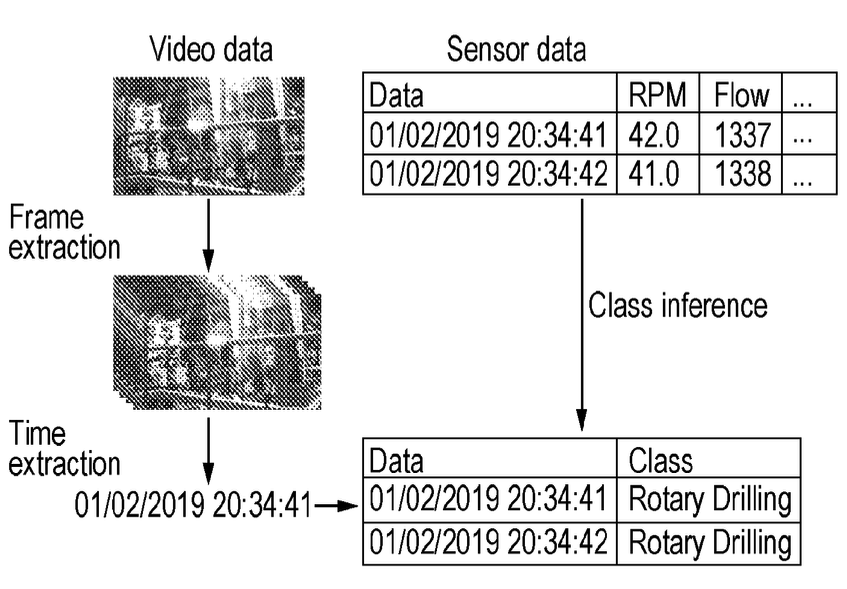
Uses video data from rig floor cameras to classify drilling rig operational states with neural networks. Replaces expensive sensor-based approaches by training on labeled video frames for temporal activity classification.
Attentive Neural Processes
AGU Fall Meeting, 2020
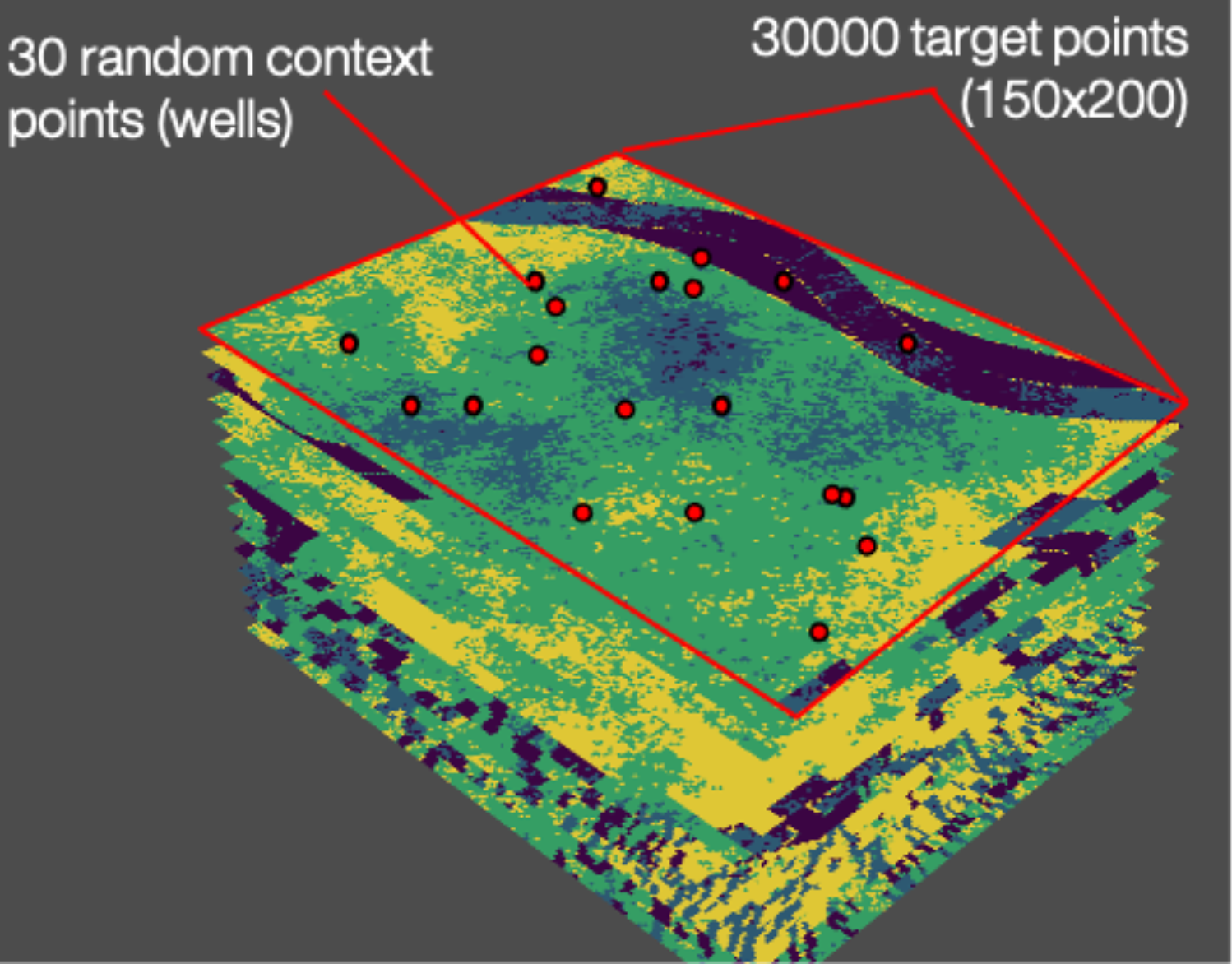
Applies Attentive Neural Processes (a meta-learning framework that learns distributions over functions) to predict subsurface geological properties from sparse well measurements, producing both mean predictions and uncertainty estimates without domain-specific priors.
Pixel Constrained CNNs
AISTATS 2019
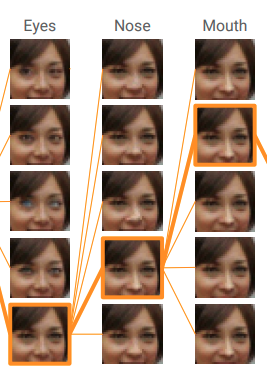
Extends PixelCNNs to learn conditional distributions of images given observed pixels, enabling probabilistic inpainting that generates multiple diverse, realistic completions instead of a single deterministic output. Validated on MNIST and CelebA.
Knee Osteoarthritis
Osteoarthritis and Cartilage (Elsevier/OARSI), 2018
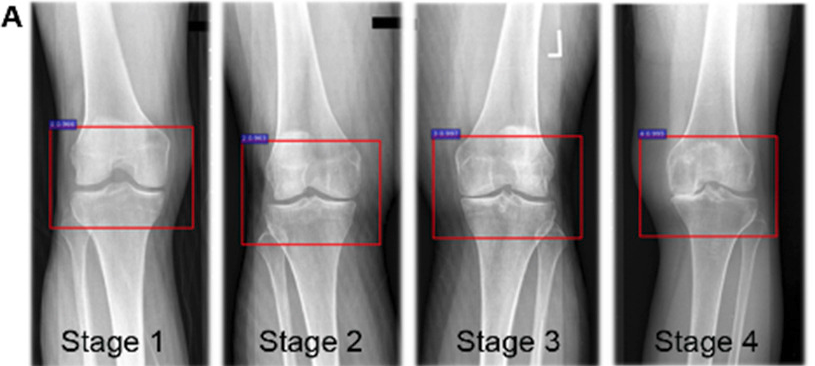
A two-stage deep learning pipeline: Faster R-CNN localizes knee joints in X-rays with 99.9% accuracy, then a classification network grades osteoarthritis severity on the Kellgren-Lawrence scale. Trained on 7,549 images from the OAI dataset.
Nonlinear Dynamics
Physical Review E (APS), 2016
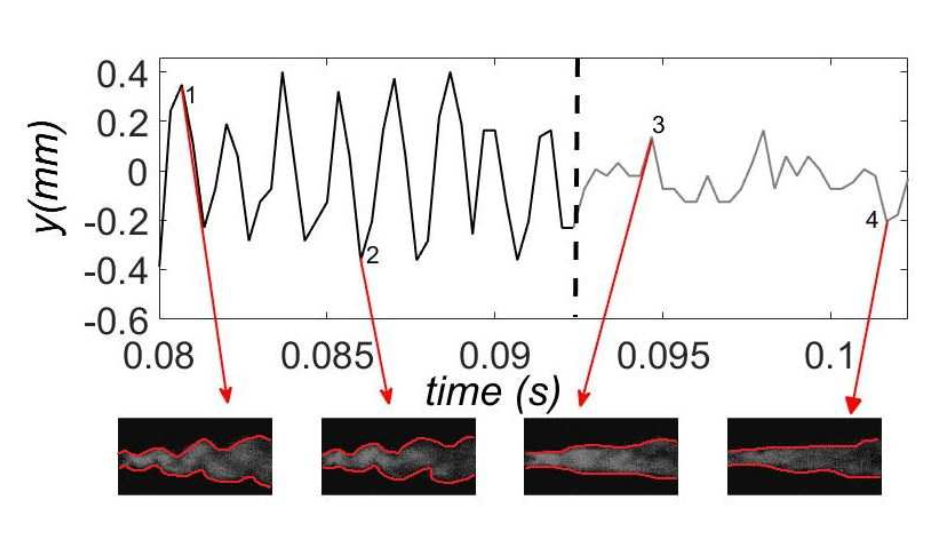
Uses Recurrence Quantification Analysis on experimental time series of flame edge fluctuations to characterize bifurcations from aperiodic to periodic behavior in turbulent reacting wakes, identifying type-II intermittency in the transition.

Patents

Attentive Neural Processes Patent
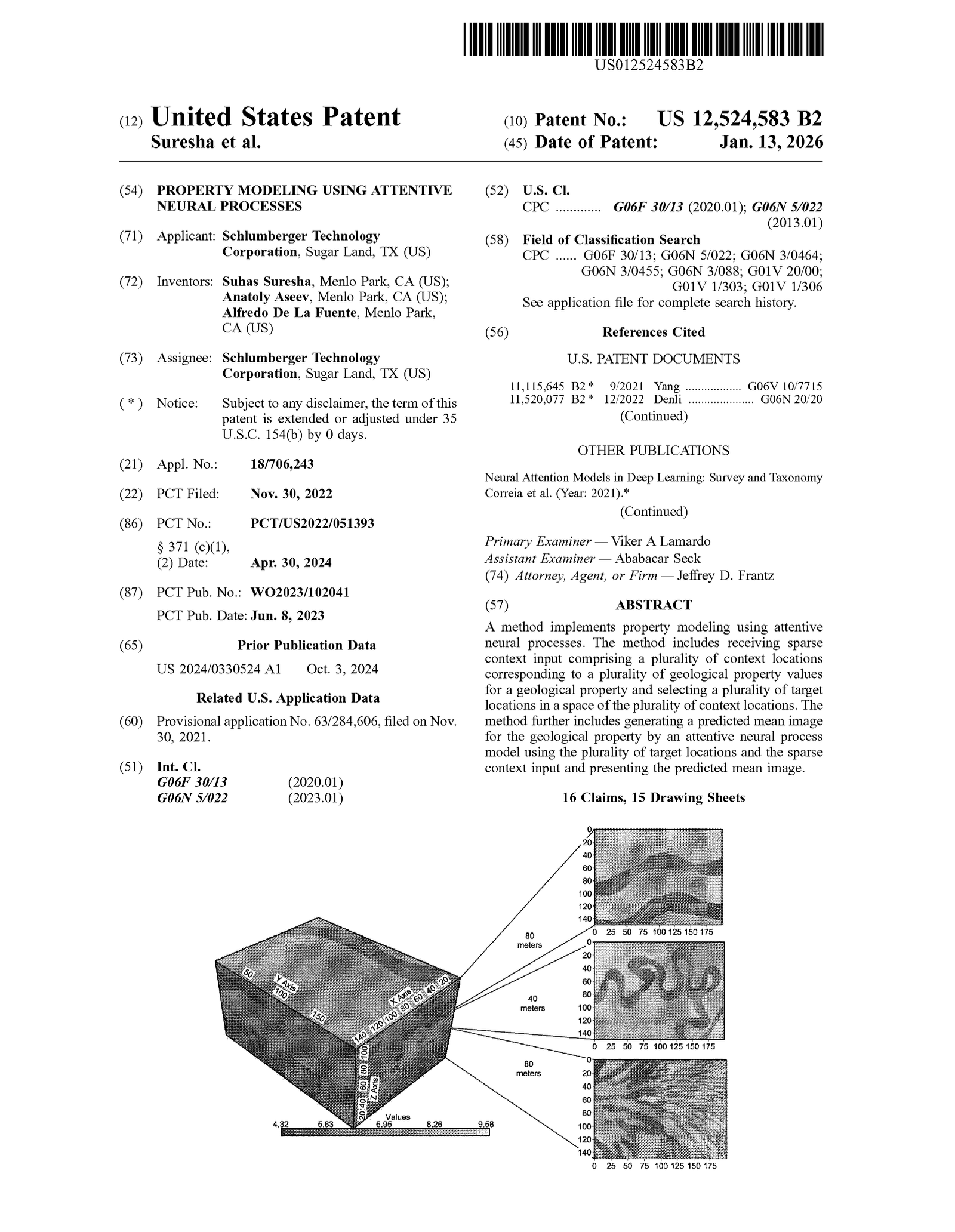
US 12,524,583 B2
Granted January 2026
Uses an attentive neural process model with attention layers to predict subsurface geological properties from sparse well measurements, producing both predicted mean and variance for uncertainty quantification.
Subsurface Structures Patent
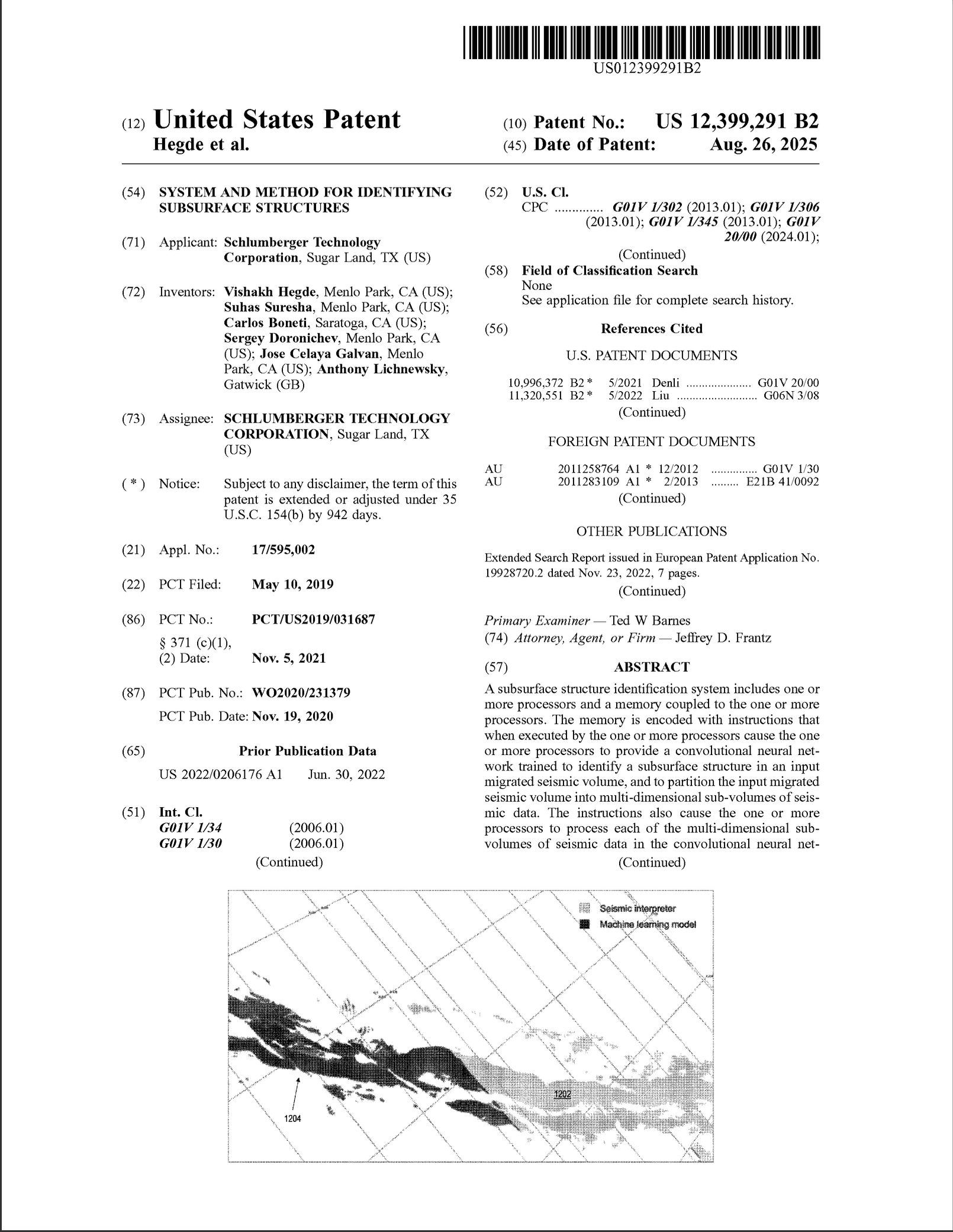
US 12,399,291 B2
Granted August 2025
A volumetric CNN that identifies subsurface geological structures (channels, salt deposits) from seismic data, partitioning large volumes into processable sub-volumes and reducing geo-body segmentation time by over 1000x.
Super Resolution Patent
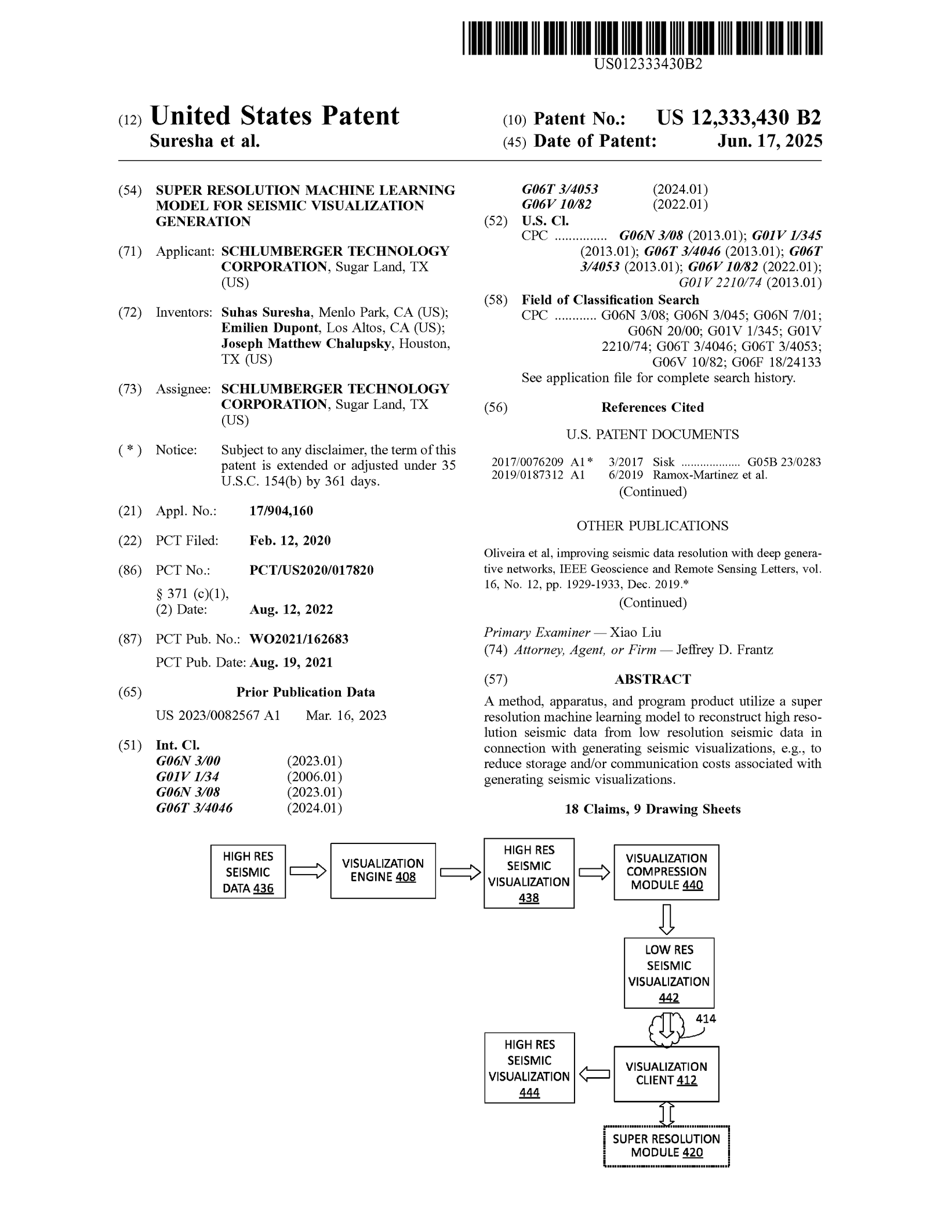
US 12,333,430 B2
Granted June 2025
Applies sub-pixel convolutional neural networks to reconstruct high-resolution seismic images from lower-resolution data, reducing storage and transmission costs while maintaining visualization quality.
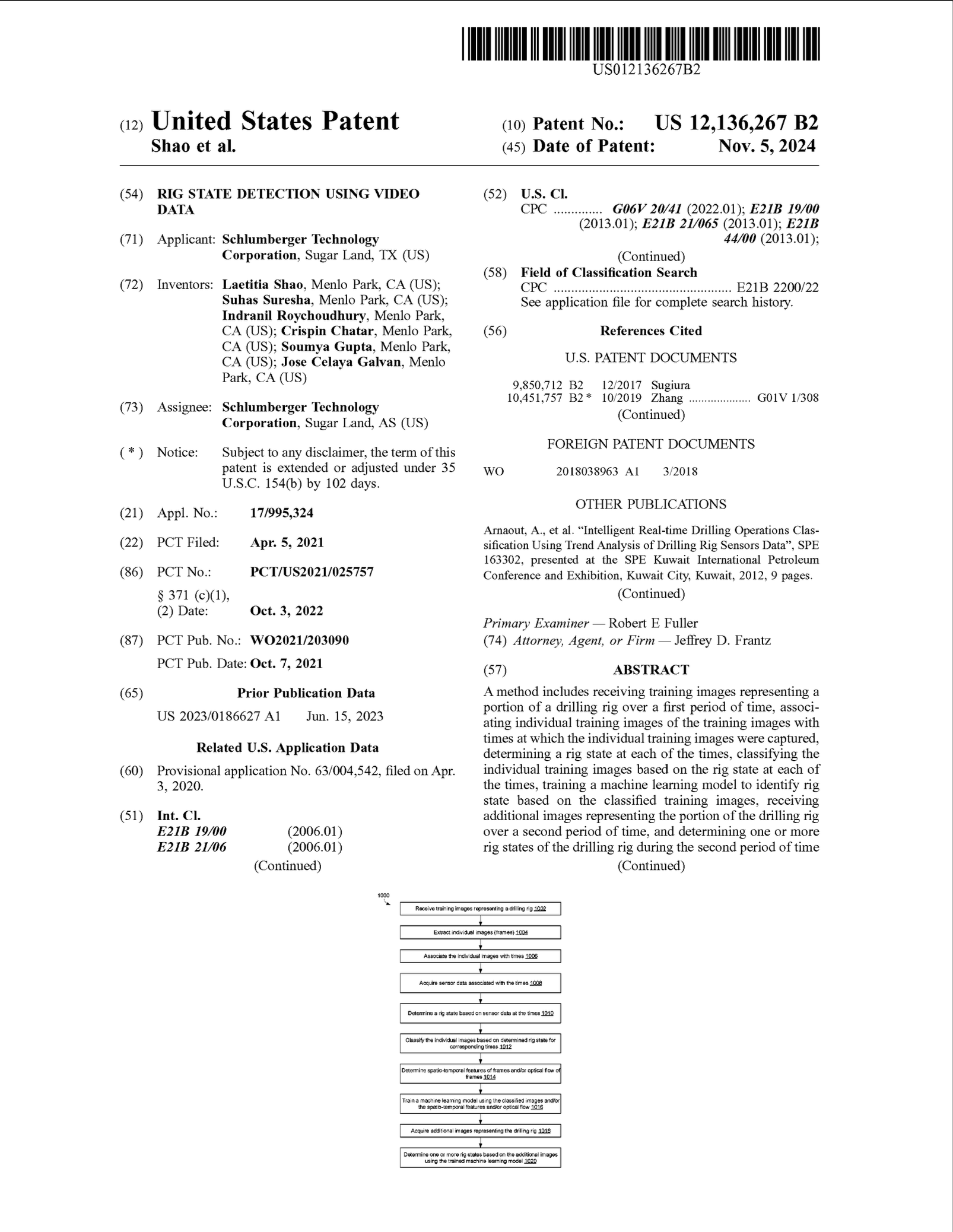
Rig State Detection Patent
US 12,136,267 B2
Granted November 2024
Trains ML models on classified video frames from rig floor cameras to detect drilling rig states, replacing expensive sensor-based approaches with supervised learning on video data labeled with sensor-derived ground truth.

QALY is a heart health app I co-founded to help people monitor cardiac arrhythmias using smartwatch ECGs. I built the ML pipeline that detects PQRST intervals and heart arrhythmias in real time from ECG waveforms. Over 100,000 people use it today. The app has helped users detect previously undiagnosed cardiac conditions, including cases of SVT and atrial fibrillation that were missed during years of in-person medical visits.

QALY screenshot 1 QALY screenshot 2 QALY screenshot 3 QALY screenshot 4 QALY screenshot 5 QALY screenshot 6
  • 100K+ users across iOS and Android
  • 500K+ ECGs analyzed
  • #1 rated app for managing AFib (Everyday Health)

Education